Split Cut Bee
A Standout Embroidery Design for Boutique Apparel
As an experienced embroidery designer, I’ve had the chance to work with countless machine embroidery designs. Split Cut Bee has quickly become one of my go-to choices for adding a unique and eye-catching detail to boutique apparel and custom clothing projects. This design is not just another bee motif—it’s a carefully crafted piece that balances simplicity with visual interest, making it ideal for a wide range of applications.
First Impressions: A Playful Yet Sophisticated Design
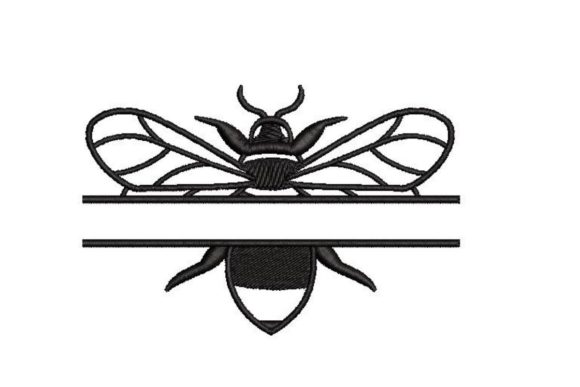
The first thing that strikes me about Split Cut Bee is its visual personality. It feels playful yet refined, with a subtle whimsy that works well in both casual and more polished settings. The bee is rendered with a clean, modern aesthetic that avoids being too childish or overly intricate. Its split-cut style adds a dynamic element, giving the design a sense of movement and depth that stands out on fabric.
The stitching mood is light and airy, with a focus on crisp lines and smooth transitions. The detail level is impressive without being overwhelming, which makes it versatile for different types of garments. Whether you’re looking for a bold statement or a subtle accent, this design offers the flexibility to fit your needs.
Apparel Applications: From Sweatshirts to Tote Bags
Split Cut Bee shines on a variety of apparel items, especially when used as a chest or sleeve accent. On neutral sweatshirts, it adds a pop of character without clashing with the garment’s tone. For pastel hoodies, it complements the soft hues while maintaining a cohesive look. On dark apparel, the design becomes a standout feature, offering high contrast and visual impact.
When applied to oversized garments like denim jackets or tote bags, Split Cut Bee maintains its presence without feeling cramped. Its size and placement make it suitable for both front and back designs, allowing for creative experimentation with layout and composition. It also works beautifully on t-shirts, where it can be placed strategically to draw attention to key areas like the chest or collar.
For boutique brands and Etsy sellers, this design can elevate handmade products by adding a touch of originality. Whether used as a standalone feature or paired with other elements, Split Cut Bee helps create a cohesive brand identity that resonates with customers.
Practical Considerations for Embroidery Success
While Split Cut Bee is easy to use, there are a few practical considerations to keep in mind. First, it’s important to test the design on scrap fabric to ensure it performs well on your specific machine and materials. The stitch density is moderate, which means it should handle most fabric types without excessive tension issues.
Stabilizer choice is crucial, especially when working with stretchy fabrics like fleece or ribbed materials. Using a tear-away stabilizer can help maintain the design’s integrity while allowing for a natural drape. Thread color contrast also plays a role in visibility—opting for a darker thread on light fabrics or vice versa can enhance the design’s appearance.
Additionally, confirm the hoop size and file formats before production. While the product description mentions multiple embroidery file formats, it’s always good to double-check compatibility with your embroidery machine. Testing on similar garment fabric will give you a better idea of how the design will look on finished products.
Designing for Commercial and Custom Use
Split Cut Bee is well-suited for both commercial and custom embroidery projects. Its versatility makes it a great option for small shops, boutique brands, and digital sellers looking to expand their product offerings. Whether you're creating a limited-edition collection or a seasonal line, this design can be adapted to fit various themes and styles.
When using Split Cut Bee for printable mockups or social media graphics, consider how it will appear on different backgrounds and lighting conditions. A well-executed design can significantly boost product recognition and customer engagement, especially when paired with high-quality images and clear descriptions.
Where to Be Careful: Placement and Fabric Compatibility
Despite its strengths, there are a few areas where Split Cut Bee may require careful consideration. Small chest placements can sometimes result in a loss of detail, so it’s best to test the design at full size before finalizing placement. Dense stitch areas may cause minor puckering on certain fabrics, particularly on stretchy or textured materials.
Curved surfaces and tiny lettering can also pose challenges, especially if the design is intended for use on complex shapes or intricate patterns. When working with dark garments, ensure that the thread color provides enough contrast to maintain visibility and clarity.
Impact on Brand Identity and Product Value
Using Split Cut Bee in your product line can have a lasting impact on your brand’s visual consistency and customer perception. The design’s clean lines and thoughtful details contribute to a sense of professionalism and quality, which can help build buyer trust and increase product value.
For handmade businesses and small shop owners, incorporating such a design can differentiate your products in a competitive market. It allows for creative expression while maintaining a level of craftsmanship that appeals to discerning customers. By focusing on visual storytelling through embroidery, you can create a stronger connection with your audience.
Final Thoughts on Split Cut Bee
Split Cut Bee is more than just an embroidery design—it’s a tool for creativity and brand building. Its ability to adapt to different apparel types and styling preferences makes it a valuable asset for any designer or business owner. With proper planning and attention to detail, this design can elevate your custom apparel line and help you stand out in the marketplace.