Iron Embroidery Design Review
If you're an embroidery designer or small business owner looking for a versatile machine embroidery design, Iron from Creative Fabrica might be worth considering. As someone who regularly uses digital embroidery files for handmade products and commercial projects, I wanted to test Iron in real-world scenarios before recommending it to others.
First Impressions of Iron
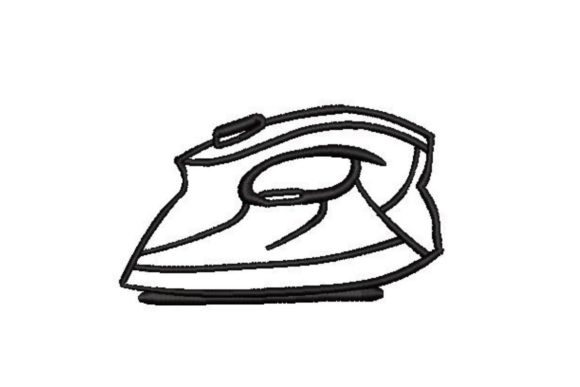
Iron has a clean, minimalist visual mood that feels both modern and timeless. The design’s detail level is moderate—enough to add interest without overwhelming the fabric. It has a subtle stitching personality, with a focus on geometric shapes and smooth lines that give it a decorative yet understated appeal.
This design naturally fits into home décor items, like kitchen towels, aprons, and pillow covers. Its simplicity makes it ideal for custom apparel, too, especially sweatshirts and tote bags where a more subdued motif can complement other design elements.
How Iron Performs in Real Projects
I tested Iron on several fabrics and hoop sizes to see how it would perform in different applications. On a standard cotton tote bag, the design stitched cleanly with minimal distortion, thanks to its even stitch density and lack of overly intricate details.
For a baby blanket, I used a satin stitch around the main outline, which gave it a soft, polished look. The design also worked well as an embroidered patch on a cap, where the running stitch helped maintain flexibility on curved surfaces.
Iron proved to be a good fit for handmade gifts and Etsy listings. When paired with a neutral background, it added a touch of elegance without being too busy. This makes it a great option for boutique merchandise or nursery decor where subtlety matters.
Practical Use and Considerations
One thing to note is that Iron may require some adjustments when using small hoop sizes. If you’re planning to use it on tiny items like keychains or patches, make sure to check the stitch count and file format compatibility with your machine. Also, if you're working with stretchy fabrics like knits, adding a stabilizer will help prevent shifting during the embroidery process.
Dark fabric users should consider thread color contrast carefully. While Iron doesn’t have dense stitch areas, testing on scrap fabric first is always a good idea to ensure the final look matches your vision. For products that need frequent washing, like aprons or kitchen towels, I recommend using a high-quality stabilizer to keep the embroidery secure over time.
Layered details aren’t a strong point of this design, but that’s not necessarily a drawback—it allows for easy integration with other applique designs or custom text. If you want to add dimension, combining Iron with fill stitches or running stitches can enhance its visual impact.
Design Value and Brand Consistency
When used in handmade products, Iron can elevate the visual appeal and perceived value of the finished item. Its clean lines and simple motif help create a cohesive brand identity, especially for Etsy sellers or creative entrepreneurs looking to build a consistent aesthetic across their product line.
The design also contributes to better product photography. With its structured layout, Iron works well in printable mockups and digital presentations, making it easier to showcase your embroidered items online or at craft fairs.
As a personalized gift, Iron adds a thoughtful, custom element to items like pillow covers or tote bags. It’s subtle enough to feel elegant yet meaningful, which can increase customer engagement and satisfaction.
Embroidery Notes and Tips
Before using Iron in any project, take the time to review the embroidery file details and licensing information on the Creative Fabrica product page. Make sure you understand the terms of use, especially if you plan to sell finished items.
Here are a few practical steps to follow:
- Test on scrap fabric: Always do a test run before stitching on your final project to check for any potential issues.
- Check thread color contrast: Ensure the chosen thread colors work well with your fabric, especially on dark or textured materials.
- Review stitch density: Adjust settings if needed to avoid puckering or distortion.
- Confirm hoop size: Choose a hoop that accommodates the full design without stretching or cutting off important details.
- Compare light and dark fabric mockups: See how the design looks on different fabric tones before committing to a final look.
- Use proper stabilizer: Especially important for stretchy or thin fabrics to keep the embroidery intact through washes.
- Inspect small details after stitching: Zoom in on your work to ensure everything looks sharp and clean.
Iron is a solid choice for anyone looking for a versatile, easy-to-use machine embroidery design. Whether you're creating handmade products for personal use or selling them commercially, it offers a clean, adaptable look that can enhance a wide range of items.
As with any digital embroidery file, understanding the limitations and strengths of Iron will help you get the best results. By following these tips and testing thoroughly, you can confidently incorporate this design into your next project and deliver a finished product that stands out in quality and presentation.